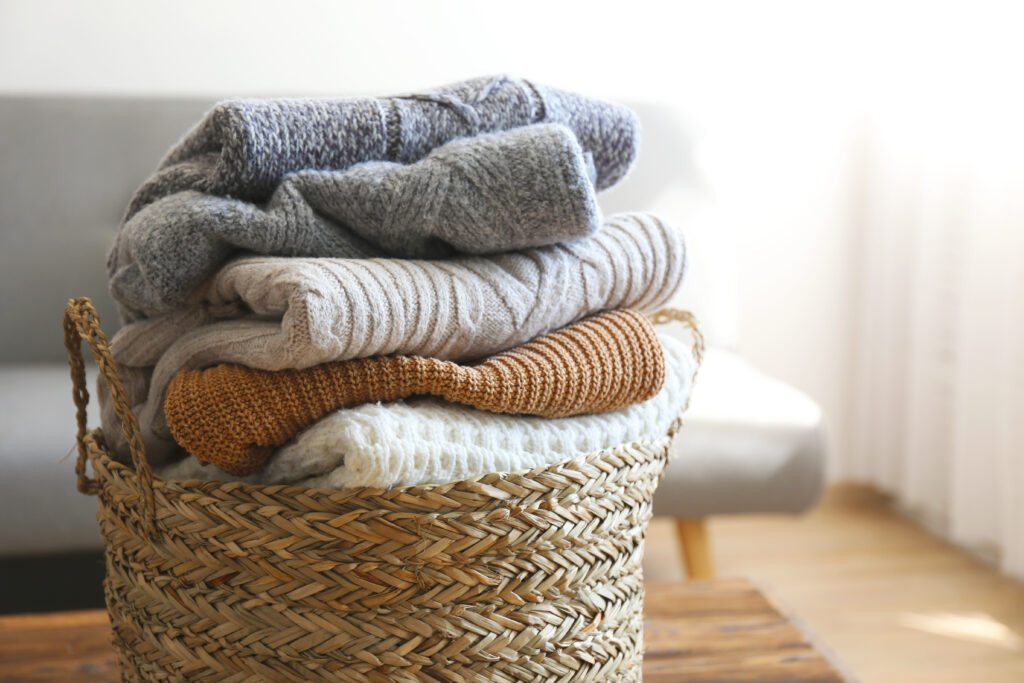
Wool really is a wonder fibre. It’s flame-resistant, biodegradable, odour-resistant, breathable and a great form of insulation. If it’s cared for properly it is also super durable.
How often should I wash my wool items?
As little as possible. Washing any textiles is a bit hard on them – stripping away some of the fibres and causing fading – and requires an input of resources such as electricity and water. And why make more work for yourself? Wool is naturally dirt and odour resistant so doesn’t need to be washed just because it’s been a while. We recommend spot cleaning when an item is visibly soiled and airing out of harsh sunlight if you’re worried about odours. However, if you plan on putting an item into storage then we do recommend a wash first to remove any oils that might attract bugs.
Why can’t I use normal detergents on wool?
In short, because wool is a completely different fibre from other textiles. The majority of our clothes and homewares are made from synthetic fibres or plant fibres (or a blend of both). While synthetic fibres are petroleum-based and plant fibres are mostly cellulose, wool is a protein-based fibre. The proteins in wool fibres can be damaged by traditional clothing detergents and softeners. Wool-specific detergents are formulated to ensure the wool proteins are not damaged so that the fibres retain their amazing properties.
Do I need to worry about my woollens getting damaged by bugs?
Our house is full of wool – clothing, bedding, carpet, processed wool waiting to be made into various products – and I can honestly say we’ve never had an issue (touch wood) except with items that have been in storage for a long time. If you’re worried about moths, there are some inexpensive traps at most hardware stores that specifically target clothing moths. Cedar rings can also be a good deterrent. Change them or top them up with cedarwood oil when they seem to have lost their smell. You might also have some luck with other oils such as lavender and eucalyptus, although we haven’t personally tried these ones as repellents.
I need to put an item into storage – do I need to do anything special? We recommend your item is clean and dry before putting it into storage. Seal in a plastic container and pop a fresh cedar ring in as a precaution.
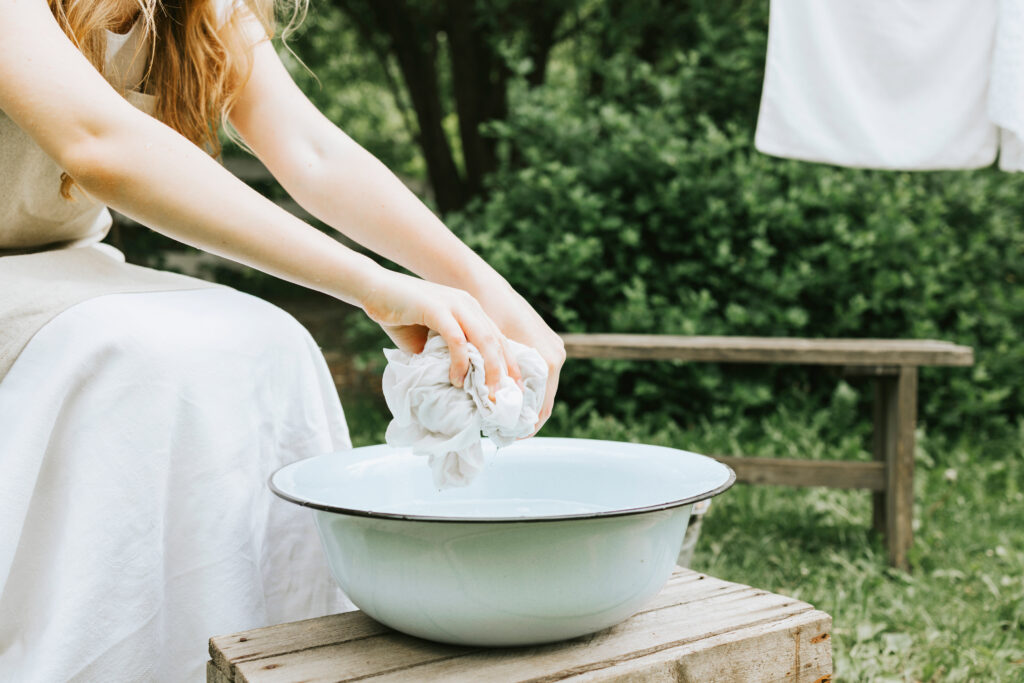
Do you have any tips if I do need to wash a wool item? 1. Use cold/cool water. Warm water causes wool fibres to contract and you’ll end up with your item shrinking. 2. Use a wool detergent. Most bar stain removers are safe to use on wool and are effective for many stains. Check the instructions first and don’t rub too hard. 3. Handwash only 4. Be gentle! If you’re too rough when washing or ringing it out you’ll end up felting the wool. 5. You can do a gentle machine spin to get water out after washing but a rolling pin works really well to squeeze excess water out. 6. Don’t stress too much if your item feels quite wet and heavy when you hang it out. Gently get out as much water as you can but wool does dry surprisingly fast. 7. Dry it out of direct summer sunlight to reduce fading. This probably isn’t so important in winter. 8. Do Not tumble dry or dry clean 9. Baking soda sprinkled onto a dry item can be very effective at neutralising smells. Leave it on for at least half an hour (a few hours or overnight is better) and then wash as normal. We’ve successfully tried this with some of nature’s worst smells on our wool carpet – vomit and cat wee!
Note: if you have one of our wet-felted products, such as the pet balls, then most of these rules go out the window – they like it rough! This is because they’ve already been treated in all the wrong ways to cause their fibres to felt. Hot water and rough treatment in the machine actually help them re-felt and “heal” a bit.